




Moving from Toronto to Niagara can mean getting more options for your housing budget, but the purchase price isn’t the only number you should be comparing.
There are closing costs, movers, commuting expenses and all the little things that come with setting up a new home. If you’re moving into an older property, you may also want some money set aside for repairs or updates after closing.
Before deciding whether the move makes financial sense, look at what your life will actually cost once you’re here.
What Niagara home is right for you and what’s the best way to make it yours? Get detailed instructions by downloading our complimentary Buying Guide.
Start With the Cost of the Home
This is usually what gets Toronto buyers looking at Niagara in the first place.
Depending on the type of property and community you’re considering, your budget may give you different options in Niagara than you’re used to seeing in Toronto.
But Niagara isn’t one market with one price.
Your options in Niagara-on-the-Lake can look very different from what the same budget buys in Welland, Thorold, Niagara Falls or St. Catharines.
If keeping the purchase price down is one of your priorities, our guides to Welland and Thorold are good places to start comparing.
Closing Costs
Your down payment isn’t the only money you’ll need on closing day.
Ontario buyers should also plan for expenses that can include:
- Land transfer tax
- Legal fees
- Title insurance
- Property tax and utility adjustments
- Home inspection costs
- Moving expenses
The exact amount will depend on your purchase.
First-time buyers may also qualify for a land transfer tax refund, which can reduce some of the upfront cost.
Our Ontario closing costs guide goes into these expenses in more detail.
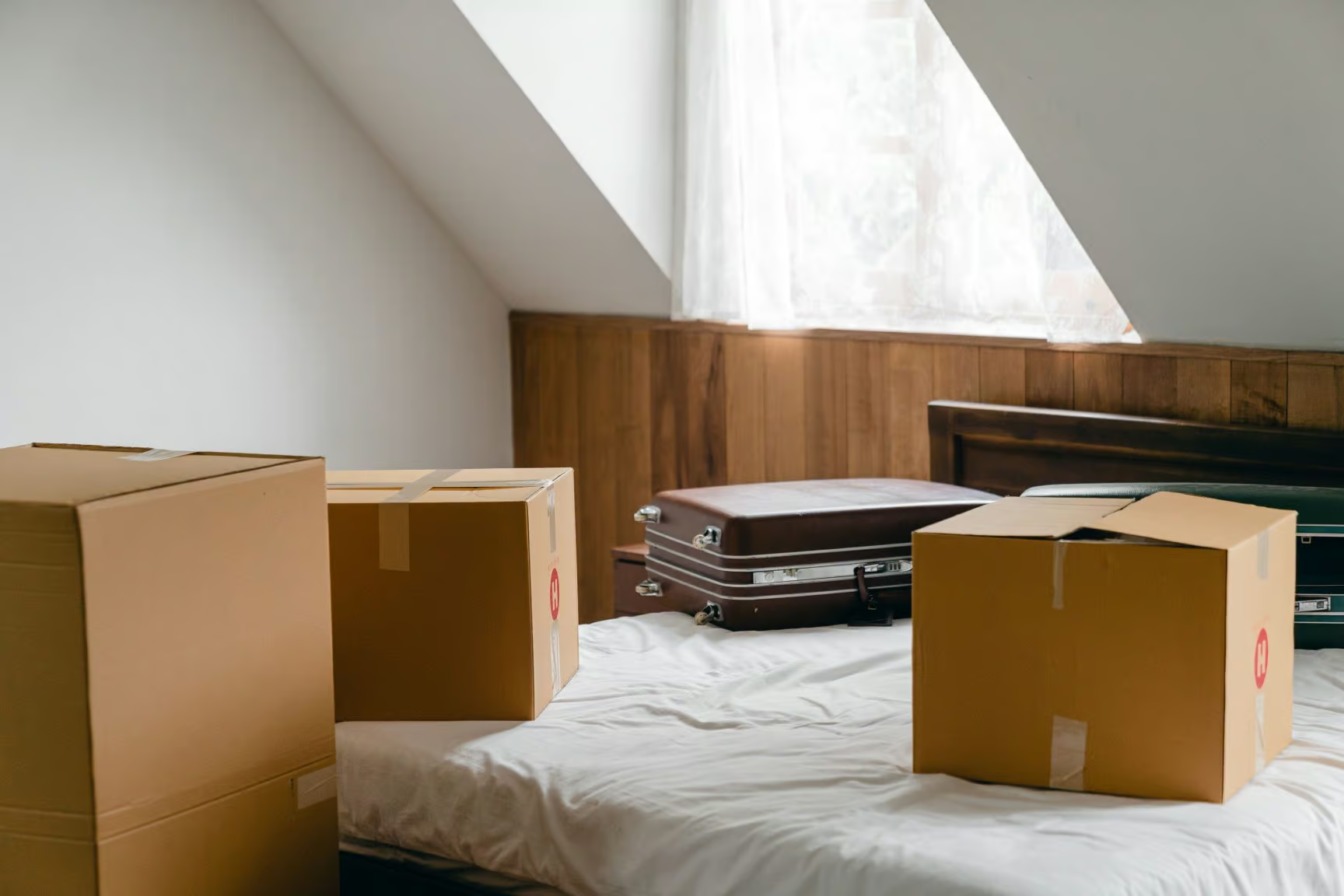
How Much Does It Cost to Actually Move?
Don’t forget about the physical move itself.
The cost of movers will depend on how much you’re bringing, the distance, the size of the truck and how much help you need.
Then there are all the smaller expenses.
You might need boxes and packing supplies, new furniture, utility setup, internet installation, locks changed or a dozen trips to the hardware store during your first month.
None of these expenses are necessarily huge on their own. Together, they can add up quickly.
Give yourself some room in the budget instead of putting every dollar you have toward the purchase.
What region of Niagara is right for your family? The posts below will give you some food for thought:
- Niagara’s Neighbourhood Spotlight: A Glimpse into Life in Fort Erie
- Embracing Life’s Harmony: The Allure of St. Catharines
- Exploring the Town of Thorold, Ontario
Plan for the First Year in Your New Home
This is especially important if you’re moving from a condo or rental into a detached home.
Suddenly, you’re responsible for everything.
Depending on the property, that could mean lawn equipment, snow removal, a larger utility bill and more general maintenance than you’re used to.
An older home may also have repairs or updates you want to tackle after moving in.
A home inspection can help you understand the condition of the property before you buy, but we’d still recommend having some savings left after closing.
Something will eventually need fixing. That’s just homeownership.
Are You Still Working in Toronto?
This can completely change whether the move makes sense.
If you work remotely, your location within Niagara may be much more flexible.
If you need to be in Toronto once or twice a week, highway access and commute time probably become much more important.
And if you’re planning to drive into Toronto five days a week, test that commute before you buy a house.
Don’t just put the addresses into Google Maps on a Sunday afternoon. Try the drive when you’d actually be commuting.
Think about the cost too. More kilometres means more gas, more frequent maintenance and more wear on your vehicle. If you’re taking GO Transit for part of the trip, include those costs as well.
Our guide to moving from Toronto to Niagara covers more of the lifestyle side of relocating.
Choosing the Right Niagara Community
Don’t choose where to live based only on which city has the lowest average home price.
Your commute matters. So does the type of home you want, what you like doing outside of work and where you’ll be spending most of your time.
If you have children, you’ll probably have another set of things to consider. Our guide to Niagara school districts can help you understand where to start with school boards and boundaries.
Spend some time in the communities you’re considering before buying.
Grab a coffee. Drive around. Test your commute. Go to the grocery store. See what the neighbourhood feels like when you aren’t there for a 20-minute showing.
You’re not just buying the house. You’re moving your life there.
What Should You Budget For?
Before deciding on your maximum purchase price, think about all of these expenses:
- Down payment. Know how much you’re comfortable putting toward the purchase.
- Closing costs. Leave money available for legal fees, land transfer tax and other closing expenses.
- Moving costs. Get a quote instead of guessing what the move will cost.
- Immediate purchases. Think about furniture, appliances, window coverings and anything else the new home may need.
- Repairs and maintenance. Keep some savings available after closing.
- Your new commute. If you’ll still be working in the GTA, calculate the time and cost of doing it regularly.
- Monthly ownership costs. Property taxes, insurance, utilities and maintenance all need to fit comfortably within your budget.
Frequently Asked Questions
Is it cheaper to buy a home in Niagara than Toronto?
It depends on the property and community you’re comparing. Niagara has a wide range of price points, so we recommend looking at what your actual budget buys rather than relying on a regional average.
Should I keep savings after buying?
Yes. We’d rather see buyers have some money available for unexpected expenses than put every dollar they have toward the down payment and closing.
Can I commute from Niagara to Toronto?
Yes, people do it, but whether it works for you depends heavily on how often you need to make the trip. If you’ll be commuting regularly, test the drive during your actual commuting hours before choosing a community.
Which Niagara community should I move to?
That depends on your budget, commute, preferred type of home and lifestyle. Instead of picking a city first, tell us what matters to you and we can help narrow down which areas make sense.
Can The Barry Team help me plan a move from Toronto to Niagara?
Yes. We can show you what your budget buys in different Niagara communities, compare recent sales and help you narrow down the areas that fit your plans.
Thinking About Moving to Niagara?
You don’t need to know exactly which Niagara community you want to live in before you start.
Tell us what you’re looking for, your budget and how often you need to get back to the GTA. We can help you compare your options and figure out where it makes sense to focus your search.
Looking for more help for your move? Visit Buy With Us, call 905-357-8067, or email emily@thebarryteam.ca.

Planning your next home purchase or sale?
Book a consultation with our team to get the process started.