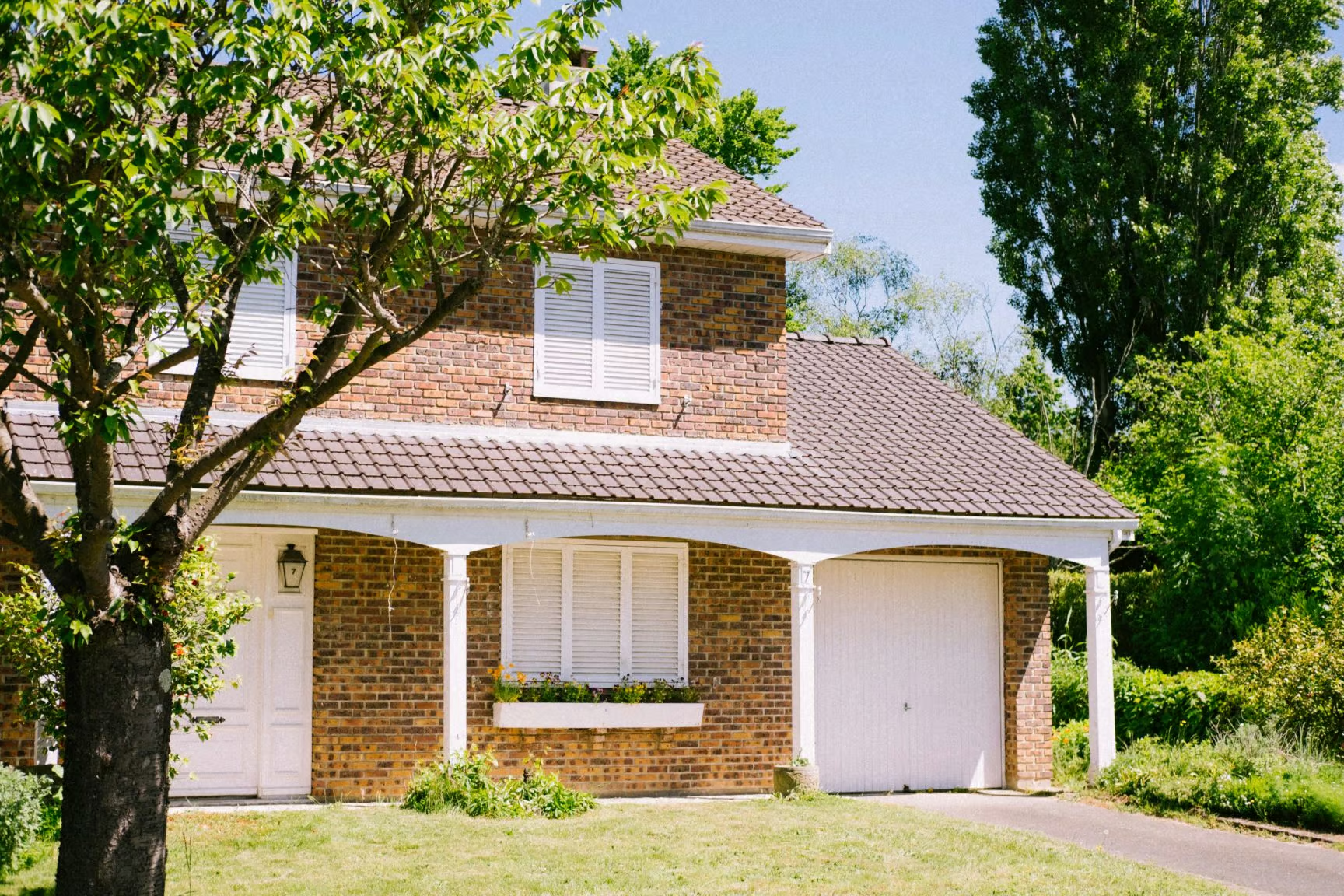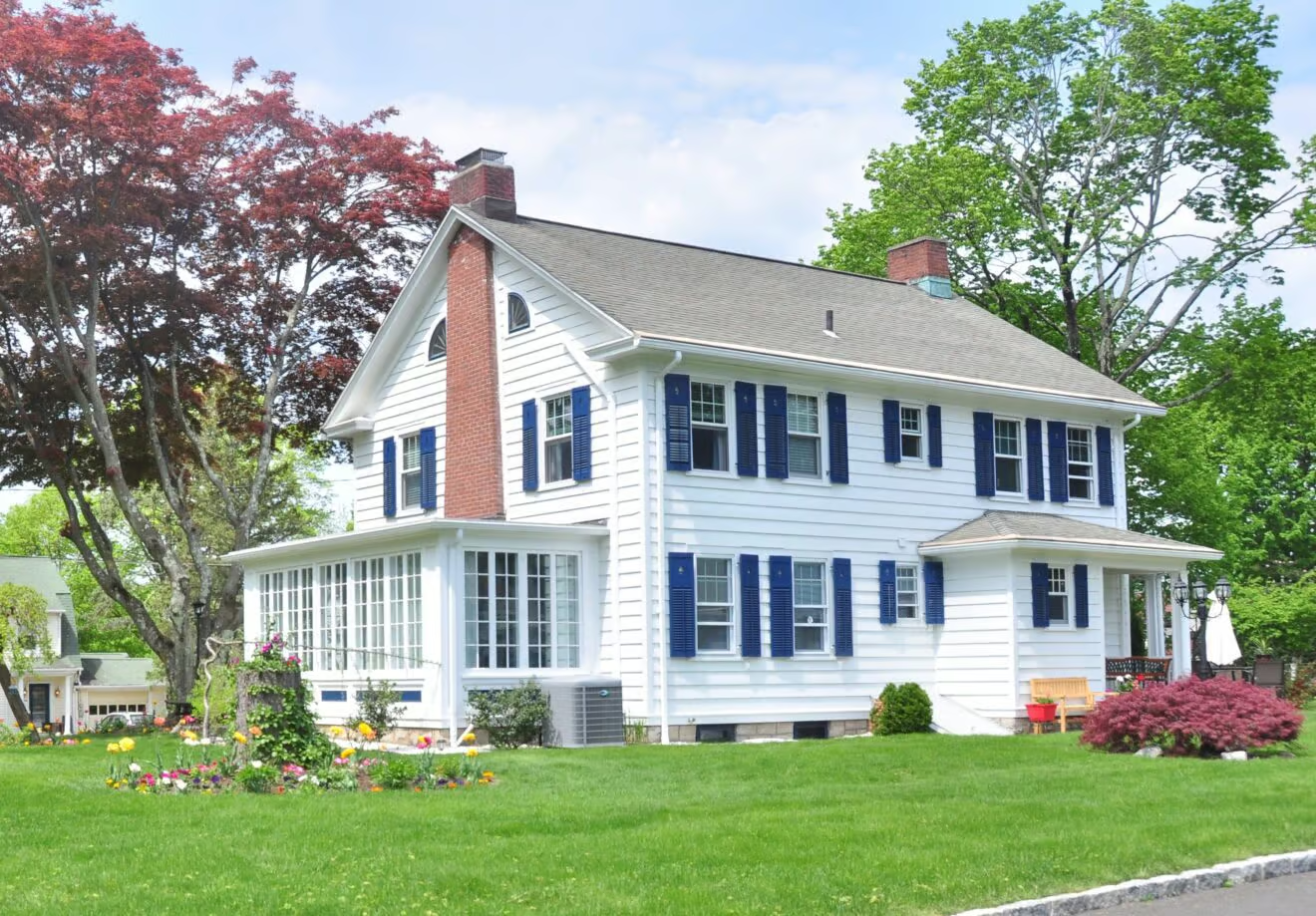


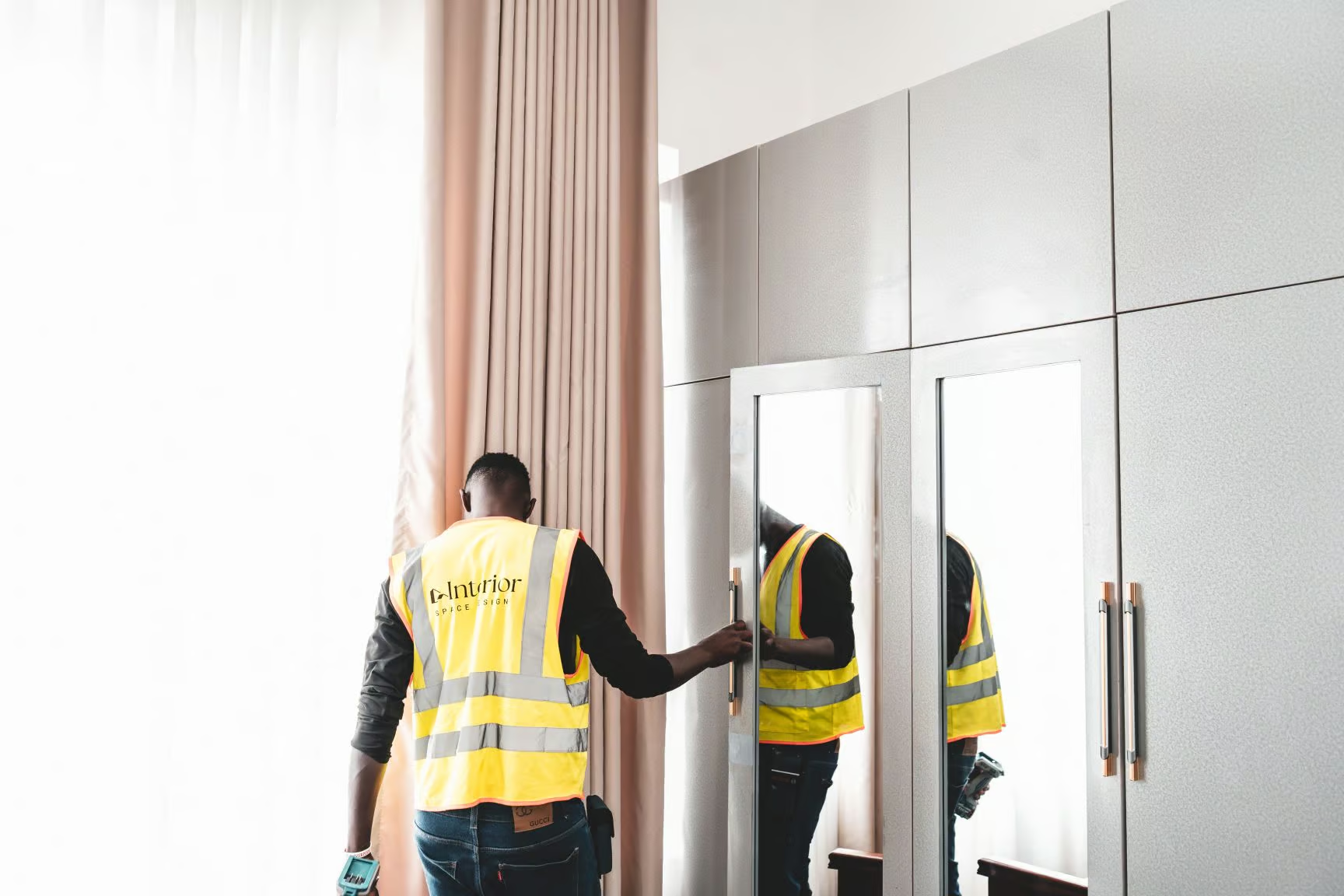



A home can look great during a showing and still have problems hiding behind the walls, above the ceiling or down in the basement.
That’s exactly why a home inspection is so important.
Niagara has everything from century homes and post-war bungalows to renovated properties and brand-new construction. What you need to watch for can be very different depending on the age and type of home you’re buying.
If you’re deciding between buying new or purchasing an existing home, our guide to new construction vs resale homes in Niagara goes into the differences in more detail.
Red Flags to Watch for During a Home Inspection
Water and Moisture
Basements are one of the first places we pay attention to.
Water stains, musty smells, efflorescence on foundation walls, damaged drywall or signs of previous repairs can all point to past or ongoing moisture issues.
That doesn’t automatically mean there’s a major foundation problem. Sometimes the solution is relatively straightforward. Other times, further investigation is needed to figure out where the water is coming from and what it will take to fix it.
Foundation Cracks
Not every foundation crack is a reason to panic. Small cracks can happen as a home settles over time.
The size, location and direction of the crack matter. If your inspector finds something concerning, they may recommend having it looked at by a foundation specialist or structural engineer before you move forward.
Roof Condition
A roof replacement can be a big expense, so you want to have a good idea of its condition before buying.
Missing or curling shingles, damaged flashing, sagging areas and signs of previous leaks are all worth investigating.
Ask about the approximate age of the roof too. Even if it isn’t leaking today, an older roof may need to be factored into your budget for the next few years.
Looking for more information to ensure your purchase goes well? Start by reading the posts below:
- What Are the Signs a Niagara House is Right for You?
- Do I Really Need a Home Inspection When Purchasing in Niagara
- Renting vs. Buying a Home in Niagara: Which Is Better?
Electrical
Older Niagara homes can sometimes have electrical systems that require additional attention.
Knob-and-tube wiring and aluminum wiring are two things buyers may come across, particularly in homes from certain eras. Their presence doesn’t necessarily mean you can’t buy the home, but it may affect your insurance options or require further evaluation.
If something questionable comes up during the inspection, an electrician can give you a much better idea of what you’re actually dealing with and what it may cost to address.
Plumbing
The age and type of plumbing in a home matters too.
Galvanized steel, cast iron and other older plumbing materials can still be found in some Niagara homes. Depending on their age and condition, they may eventually need repair or replacement.
Your inspector can look for visible signs of leaks, corrosion, drainage problems and other concerns. If there’s a bigger question about the plumbing or sewer line, further inspection by a plumber may be worthwhile.
Heating and Cooling
Find out the approximate age and condition of the furnace, air conditioner and hot water system.
An older furnace isn’t automatically a problem if it has been properly maintained, but knowing that a major system may need replacement soon helps you plan for the expense.
Signs of Deferred Maintenance
Sometimes it’s not one major problem that stands out. It’s ten little ones.
Peeling paint, damaged caulking, clogged gutters, worn weatherstripping, neglected landscaping and small repairs that were never completed can tell you something about how the home has been maintained.
None of those things alone should necessarily stop you from buying a house. Taken together, though, they can be a reason to look a little closer.
Does a Red Flag Mean You Should Walk Away?
Not necessarily.
A home inspection isn’t about finding a perfect house. You’re probably not going to find one.
The goal is to understand what you’re buying.
If an inspection finds an issue, the next question is how serious it is, what it may cost to repair and whether you’re comfortable taking it on.
Depending on the terms of your offer and the inspection findings, you may decide to move forward, get additional quotes or professional opinions, try to renegotiate, or decide the property isn’t right for you.
For first-time buyers, these potential expenses should also be part of your overall home-buying budget from the beginning.
What About New Construction?
New doesn’t mean flawless.
Even newly built homes can have workmanship issues, incomplete items or things that need to be corrected after construction.
The concerns may look different from what you’d expect in a 70-year-old bungalow, but buyers should still pay attention to the condition of the home and understand the warranty and inspection process that applies to their purchase.
Sellers Should Pay Attention Too
Inspection issues aren’t only a buyer concern.
If you’re getting ready to sell, taking care of obvious maintenance problems before listing can make the process easier once you have an offer.
You don’t necessarily need to renovate your entire house. Fixing the dripping faucet, damaged caulking or loose railing you’ve ignored for two years can prevent small issues from becoming part of a much longer inspection report.
Our guide to what to fix before selling your Niagara home covers where sellers should focus before listing.
You can also visit our Sell With Us page to learn more about preparing and marketing your home.
Before You Buy
- Give yourself enough time for the inspection. You want time to read the report and ask questions before your condition deadline.
- Pay attention to the expensive stuff first. Roof, foundation, electrical, plumbing, heating and cooling can matter much more than cosmetic issues.
- Ask questions. If you don’t understand something the inspector found, ask them to explain it.
- Get another professional involved when necessary. A home inspector may recommend an electrician, plumber, roofer, structural engineer or another specialist for a closer look.
- Look at the whole picture. An issue that sounds scary may have a simple fix. A collection of smaller problems may turn out to be more expensive than expected.
Frequently Asked Questions
Does an older home automatically mean more problems?
No. We’ve seen older homes that have been incredibly well maintained and newer homes with their own issues. Age tells you what to pay attention to, but maintenance and previous work matter just as much.
Should I worry about aluminum or knob-and-tube wiring?
Don’t panic, but don’t ignore it either. If either is present, find out exactly what you’re dealing with. You may need an electrician’s opinion, and it’s a good idea to check with your insurance provider about their requirements.
Can a new construction home still have problems?
Yes. New construction can have workmanship or installation issues too. The things you’re looking for may simply be different from the concerns you’d expect in an older home.
What happens if the inspection finds something wrong?
That depends on what was found and the terms of your Agreement of Purchase and Sale. Your REALTOR® can walk you through your options and, when needed, help you get more information or quotes before you make a decision.
Can The Barry Team recommend a home inspector?
Yes. We can connect our clients with trusted local professionals and help you understand the real estate side of the inspection process.
Buying or Selling in Niagara?
If you’re buying, we’ll help you know what questions to ask and what to look for before you commit to a property.
If you’re selling, we can help you figure out what is worth addressing before your home hits the market.
Visit Buy With Us or Sell With Us, call 905-357-8067, or email emily@thebarryteam.ca.

Planning your next home purchase or sale?
Book a consultation with our team to get the process started.